Key takeaways
- An asking price is a seller’s offer, not necessarily a completed sale price.
- Compare past sales with matching specifications, condition and nearby dates.
- For an overseas purchase, include shipping and import costs.
Open contents
An active price tag does not establish a sale price
A fixed-price listing shows what the seller is asking at that moment. Some transactions involve negotiation, such as eBay Best Offer, where a seller can accept or counter a buyer’s offer. The displayed asking price and the agreed amount do not always match.
Completed-sale records help you research past transactions. But a card having sold at a price in the past does not mean you can buy it for that amount today.
For Luka #280, keep Base and Silver separate
With 2018 Panini Prizm Luka Doncic #280, do not group results by the card number alone. The featured card is Base. Including Silver or another parallel changes what you are comparing.
Then match the grading company, grade, sale date and whether the listing was for one card or a lot. Where a record links back to the original listing, read the photographs and item contents as well as the title.

Compare grading conditions
The chart shows recorded sales for the selected grade, not the individual card in the reference photo.
Read the headline price and chart points separately
Chart points represent the prices in the included sale records. The headline price is from the last day with a record in the selected period. If there are several records on that day for the same grading condition, it shows their median; for a single record, it shows that price.
A line between points does not mean the card traded every day. The data retrieval date and the actual sale date are also separate. A recently refreshed chart can still contain an older last sale; take that gap into account.
- Which grading condition is selected?
- What is the last sale date, and how many records were included that day?
- What card specifications and price terms appear in the original record?
Convert overseas prices into the full cost of receiving the card

A U.S.-dollar auction result and a Japanese shop’s yen asking price are difficult to compare directly. For each candidate, note the item price, international shipping, import costs, and the payment exchange rate or fees separately.
For delivery to Japan, set the destination to Japan and read the costs included at checkout. Auction fees also differ by seller or venue, so return to the source terms to check what the recorded amount includes.
Keep the conditions beside each price in your notes
A useful comparison note lists the card, parallel, condition, sale date, price and additional costs. This is easier to revisit than a list containing only the lowest numbers.
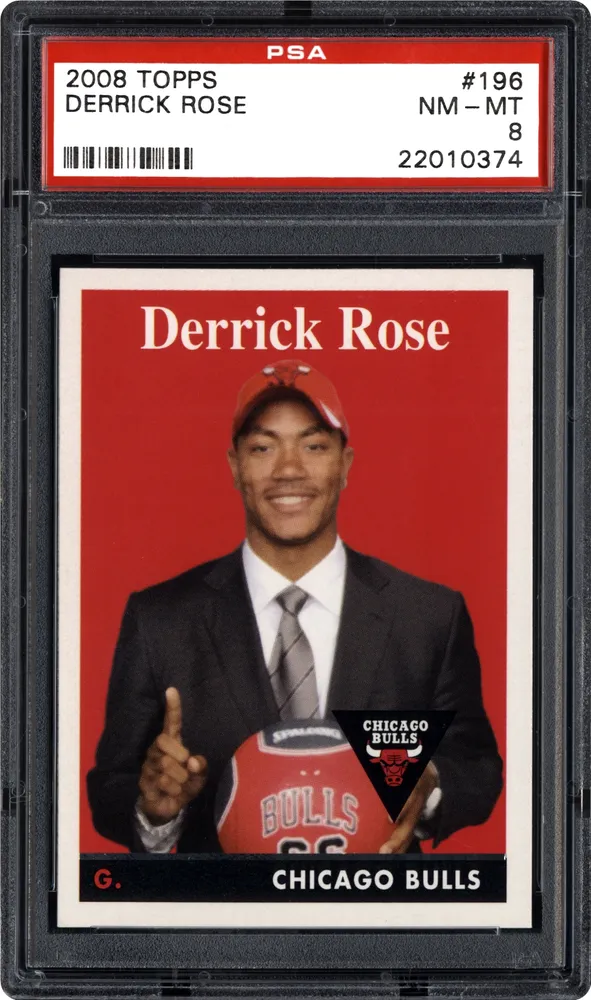
For 2008 Topps Derrick Rose #196, separate Base from Gold Foil and match the grade and time period. Buy when the total cost and actual condition work for you. If the conditions do not line up, waiting for another listing is also an option.