Key takeaways
- Match every condition other than the grade before comparing.
- There is no fixed price multiplier between PSA 10 and PSA 9.
- Read the chart’s grading condition separately from the reference photograph’s grade.
Open contents
9 and 10 describe condition, not price
PSA 10 is GEM-MT and PSA 9 is MINT. PSA publishes standards covering corners, surfaces, centering and other features. A 9 is still a high-condition card, but small printing issues or slight misalignment can affect the grade.
There is no rule that a 10 must cost a particular multiple of a 9. Graded populations and the number of collectors seeking each condition also differ by card. Choose a grade, then look at sale records for that condition.
Switch grades on the same LeBron card
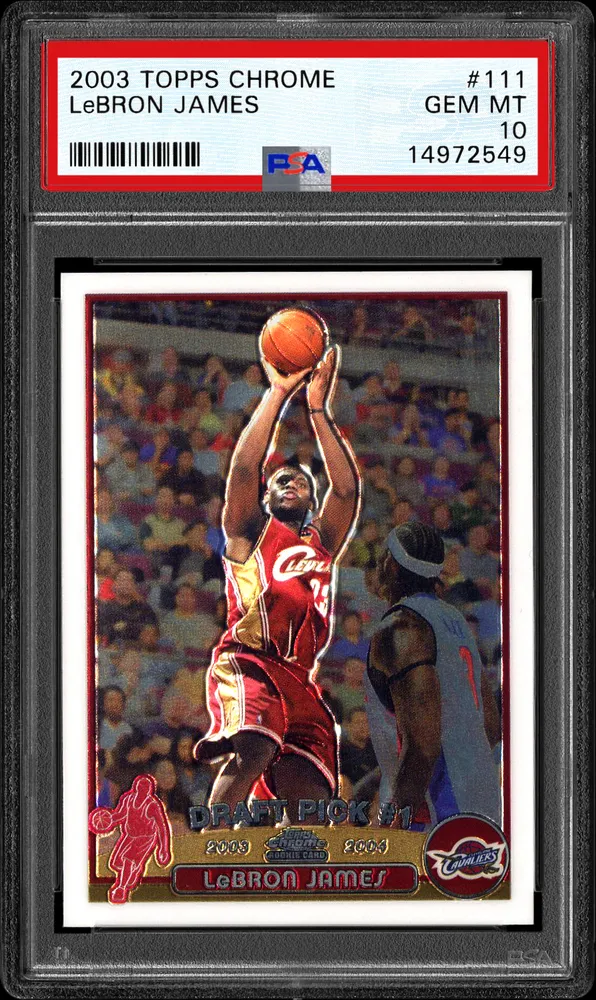
Take 2003 Topps Chrome LeBron James #111. Searching by player alone can mix in regular Topps from the same year or other Chrome parallels. First match Base #111, then switch between PSA 9 and PSA 10.
Changing one condition at a time makes the chart easier to interpret. A price difference between different players or series cannot be attributed only to the grading difference.
Compare grading conditions
The chart shows recorded sales for the selected grade, not the individual card in the reference photo.
Do not rush to calculate a ratio from distant sale dates

If the PSA 10 record is from this month and the PSA 9 record is six months old, a ratio mixes grading and timing effects. Compare records within the same period and look at the dates and number of transactions.
In a thinly traded condition, one recent sale can dominate the picture. Do not use that record alone to define a normal price level. Expand the period and inspect surrounding records and the original listing photographs.
- Do the year, manufacturer, series, card number and parallel match?
- What are the grading company and grade?
- Are the sale dates and number of records reasonably comparable?
Separate the reference photograph from the chart condition
The photograph helps identify the card. The chart is not the sale history of that exact pictured specimen. Selecting PSA 9 shows PSA 9 records; always read the price together with the selected grading condition.
For a purchase, inspect photographs of both sides of the actual card, its certification number and holder condition. A PSA lookup confirms a registered record, but a matching number alone does not guarantee that the offered item is genuine.
Decide what the extra cost means for your collection
Do you want to collect the highest grade, buy several favorite players within one budget, or prioritize how a card looks on display? Your answer changes which choice feels worthwhile.
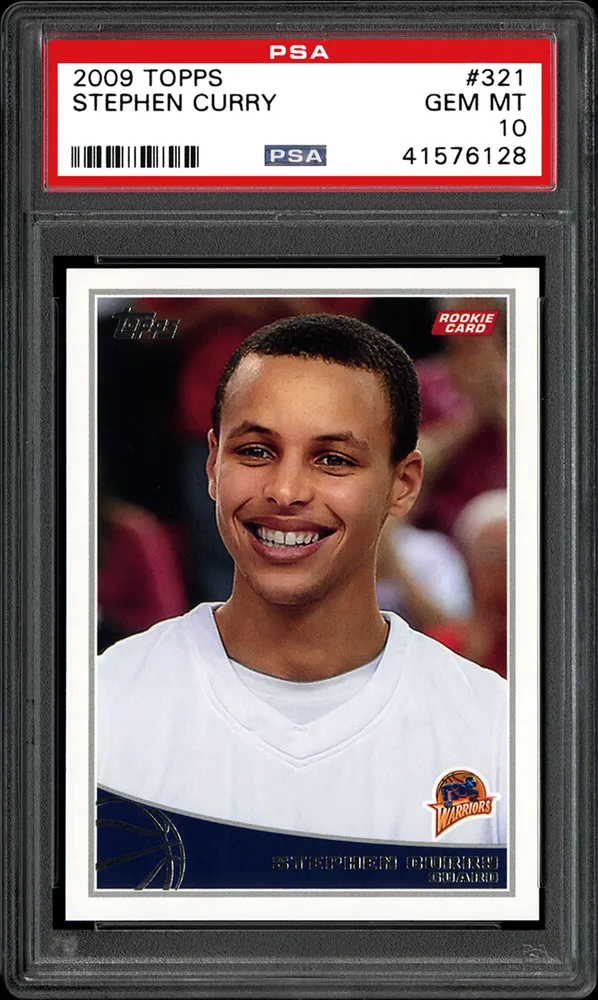
The same comparison applies to 2009 Topps Stephen Curry #321 when you match the year and Base variation. After checking the price gap, return to your budget including shipping and the actual photographs to choose the card you want.